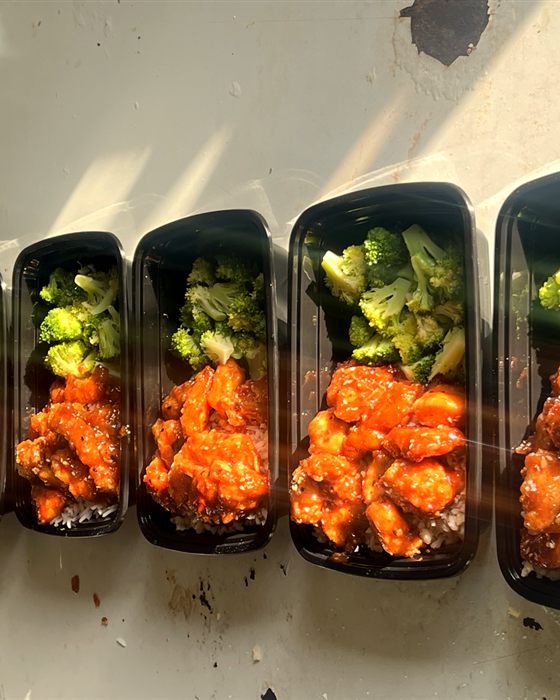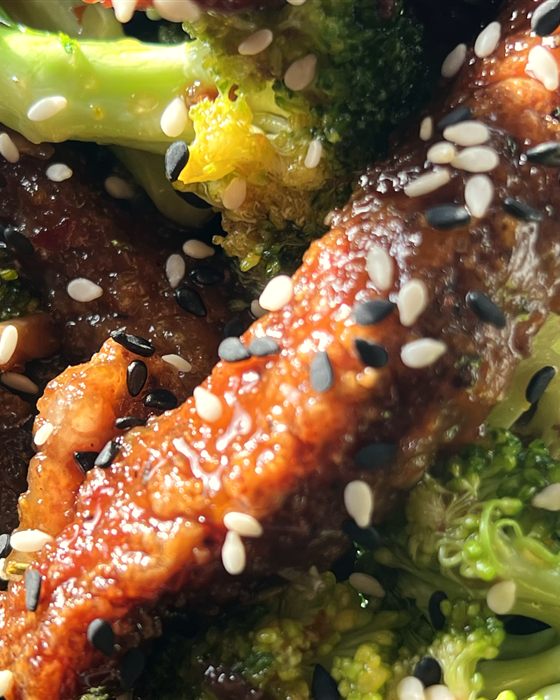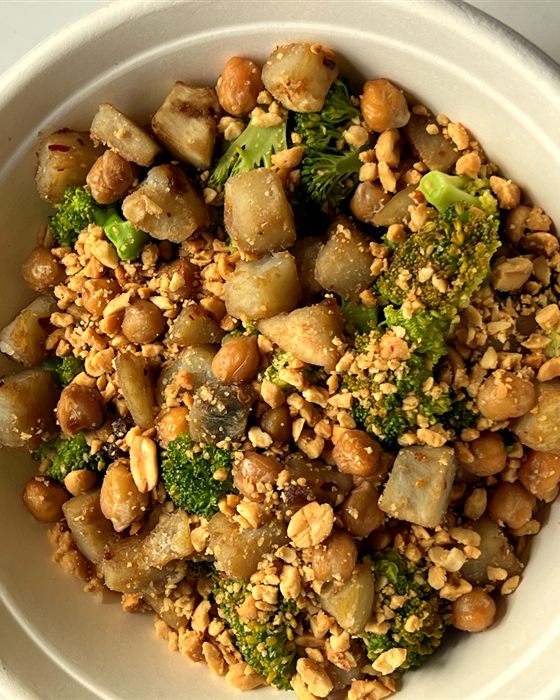
I was standing in the supermarket waiting on an invoice, which is a thing I do more often than I would like, when I started watching a lady and her companion at the checkout. They had bags on them. I assumed they were going to Bequia for the day, because that supermarket sits near the ferry terminal, or they were heading down to the Grenadines for a bit; they had sooo many snacks.
Now there is nothing wrong with snacks. I want to say that first, because this is not that kind of piece, and I probably “snack” more than I eat “proper” meals, but that’s a whole other conversation. But, I looked in the basket and it was those sandwich cookies, chips, corn curls and the like; and I stood there thinking: when did convenience start to mean that, for something to be easy, it had to stop being food?
The part that should feel strange and doesn't
Here is what got me. It didn't look odd. I was all in their business but nobody in that shop turned their heads. There is a whole aisle of it, and we walk past it the way you walk past furniture.
Some of it you can read. Potato chips, we know what those are. Plantain chips, peanuts, trail mix, same. But a lot of it you pick up, you turn it over, you read the ingredient list, and it runs the length of your hand. Michael Pollan called things like that edible foodlike substances, in a book called In Defense of Food, and I have been saying almost exactly that for years without knowing he had beaten me to it. It is a good phrase and he deserves the credit.
The arithmetic nobody explains
Then the thing that actually keeps me up. If a product has that many ingredients, each one grown or made or refined somewhere, each one shipped, each one handled, how is it cheap?
And the reverse. A pepper has one ingredient. A pepper. And a pound of peppers here runs on average $25 ECD ($9.23 USD). Broccoli, about $20 ECD ($7.38 USD) a pound. One ingredient, no factory, no packaging, no marketing budget, and it costs more than a box of something with a list on the side.
That is a whole twisted system, and it is not an accident. It is freight, subsidy, shelf life, and scale, all pointing the same direction. The thing built in a factory travels cheaply and keeps. The thing pulled out of the ground does not. And somewhere along the way margins became the priority over making access to food easier.
What I actually want for that lady and the rest of us
I'm not saying that what she was doing is wrong. She is doing what the shop is designed to make easy, and she was going somewhere lovely, and I hope she had a beautiful time.
What I want is for easy and real to stop being opposites. That is the whole job, honestly. Not lecturing anybody about a cookie. Just making sure that when you want something quick, the quick option can also be actual food.
Because right now, on this island, quick and real is a thing you have to plan for. And that is backwards.